
Artificial Intelligence for Animals: A New Tool for Animal Professionals
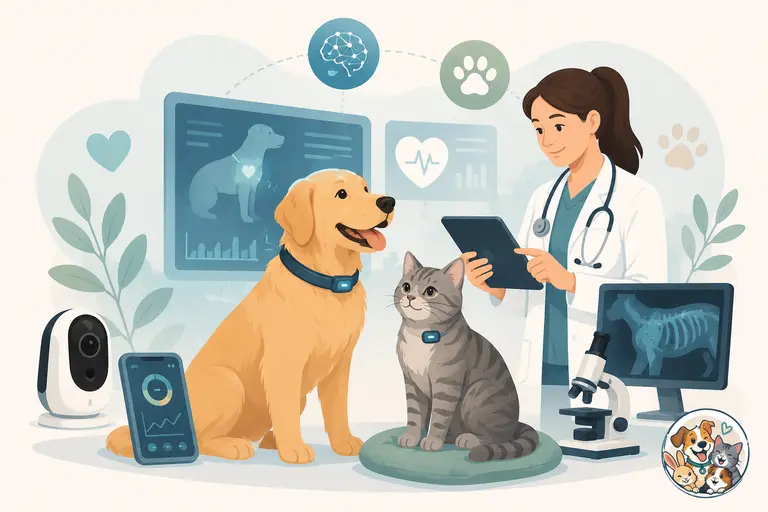
Artificial Intelligence for Animals: A New Tool for Animal Professionals
Artificial intelligence is gradually becoming part of everyday life, and the animal-care sector is no exception.
Veterinary medicine, animal monitoring, behaviour analysis, connected devices, and professional management tools are all areas where AI-based technologies are beginning to play a role.
Used appropriately, these systems can support professionals by processing large amounts of information, identifying patterns, and helping them make better-informed decisions.
However, they do not replace professional judgement, clinical examination, experience, or direct observation of the animal.
Technology That Can Support Animal Welfare
One of the main strengths of artificial intelligence is its ability to analyse large volumes of data quickly.
Depending on the tool and its intended use, AI can potentially help professionals to:
identify patterns or abnormalities in health data;
assist with the analysis of medical images;
monitor changes in activity or behaviour through connected devices;
analyse sleep, movement, or feeding patterns;
organise and interpret information collected over time.
These tools may help professionals notice changes earlier or manage information more efficiently, but their results still need to be interpreted in context.
Veterinarians Remain at the Centre of Medical Decisions
Artificial intelligence does not replace a veterinarian.
In veterinary medicine, AI is best understood as a support tool that can assist with specific tasks, such as reviewing data, highlighting possible abnormalities, or helping organise clinical information.
A diagnosis should never depend on an automated result alone.
The veterinarian remains responsible for examining the animal, considering its history and symptoms, interpreting test results, discussing treatment options, and deciding on appropriate care.
Connected Devices Can Help Track Everyday Changes
Technology can also provide owners and professionals with additional information about an animals daily routine.
GPS collars, activity trackers, smart feeders, and connected cameras can collect data about movement, feeding, rest, or location.
When used carefully, this information may help reveal changes in normal habits.
For example, a noticeable reduction in activity or an unusual change in eating patterns can be useful information to share with a veterinarian.
These devices should not be treated as diagnostic tools on their own, but they can provide additional observations that may help professionals understand what has changed.
AI Can Also Support Other Animal Professionals
The potential uses of AI and digital tools extend beyond veterinary medicine.
Dog trainers, behaviour professionals, pet sitters, boarding facilities, groomers, breeders, and other animal-care professionals can use digital systems to improve organisation and communication.
Depending on the service, these tools may help with:
appointment management;
care notes and follow-up records;
activity reports;
communication with owners;
document organisation;
monitoring recurring routines or observations.
In these situations, the value of technology often lies in saving time and making information easier to organise rather than replacing the professionals expertise.
Data Quality and Privacy Matter
Artificial intelligence is only as useful as the data and systems behind it.
Incomplete, inaccurate, or poorly interpreted information can lead to misleading results.
Professionals should therefore understand the limitations of the tools they use and avoid relying blindly on automated recommendations.
Privacy is also important, particularly when applications collect personal information, location data, veterinary records, images, or details about owners and professionals.
Before using a connected service, it is worth checking what information is collected, how it is stored, and who may have access to it.
Technology Should Strengthen the Human Relationship
Animal care remains fundamentally based on observation, knowledge, experience, communication, and trust.
Every animal is different, and a data point or automated prediction cannot fully represent its personality, environment, history, or individual needs.
The most useful role for AI is therefore often complementary: helping professionals work more efficiently while leaving important decisions in human hands.
Finding the Right Professional
Whether your companion needs a trainer, behaviour professional, pet sitter, groomer, or veterinarian, choosing a competent professional remains essential.
Digital tools may improve communication and follow-up, but the quality of care still depends on the professionals knowledge, experience, and approach to the animal.
Prousty & Co helps animal owners discover professionals and services suited to their companions needs.
In Conclusion
Artificial intelligence offers interesting possibilities for animal care and veterinary medicine.
It can help analyse information, monitor changes, improve organisation, and support certain professional tasks.
But technology is most useful when it complements rather than replaces human expertise.
The future of animal care will likely combine increasingly sophisticated digital tools with the judgement, experience, and empathy of the professionals who work directly with animals.