
Do Rabbits Suffer from the Heat? Signs of Heatstroke to Watch For
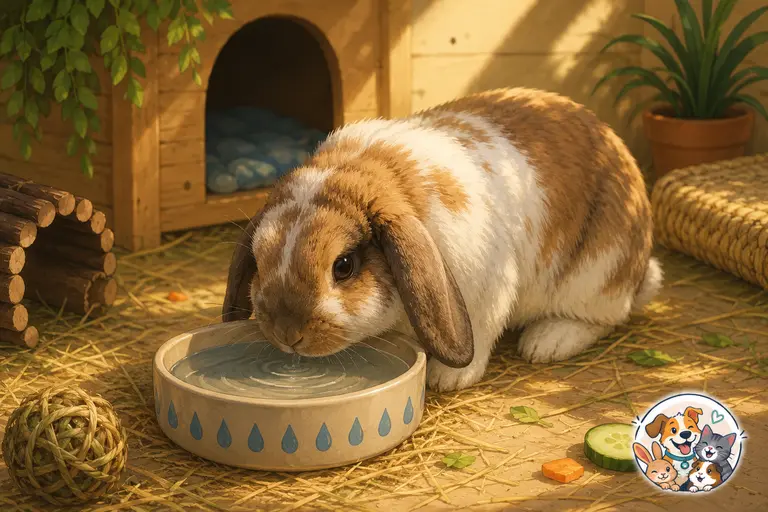
Do Rabbits Suffer from the Heat? Signs of Heatstroke to Watch For
When temperatures rise, we often think about protecting ourselves from the heat… but our animals can suffer from it too. This is especially true for rabbits, which tolerate high temperatures much less well than many people realise.
Every summer, rabbits suffer from heatstroke, a veterinary emergency that can have serious consequences if it is not treated quickly.
Why Do Rabbits Struggle with Heat?
Unlike humans, rabbits hardly sweat at all.
They regulate their body temperature mainly through their large ears, which help release some of the heat. But when the outside temperature becomes too high, this mechanism is no longer enough.
Rabbits are therefore particularly sensitive to periods of hot weather, especially when they live in a hutch exposed to direct sunlight or in a poorly ventilated room.
At What Temperature Should You Start Being Careful?
From around 25°C, it is advisable to start taking precautions.
Above 28 to 30°C, the risk of heatstroke increases significantly, especially if the air is humid or the rabbit has no cool place to retreat to.
Even an indoor rabbit can suffer from excessive heat during a heatwave.
What Are the Signs of Heatstroke?
A rabbit in distress may show several symptoms.
The most common include:
rapid or unusual breathing;
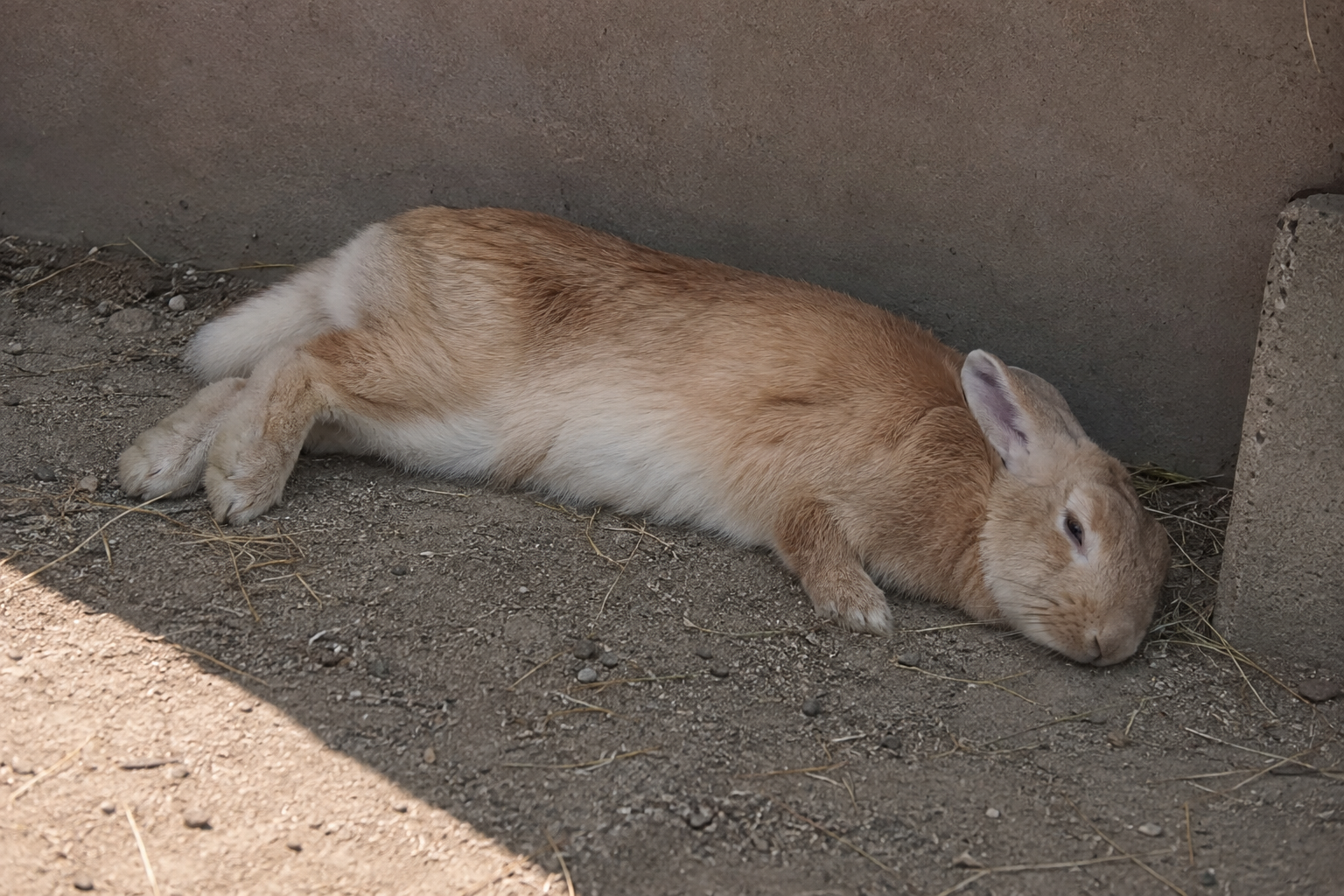
extreme tiredness;
a rabbit that remains lying down and moves very little;
very hot ears;
loss of appetite;
excessive salivation;
difficulty moving.
In the most severe cases, the rabbit may lose consciousness or have seizures.
Heatstroke is a veterinary emergency.
What Should You Do If Your Rabbit Is Suffering from the Heat?
If you think your rabbit is suffering from heatstroke, you need to act quickly.
Move your rabbit to a quiet, shaded, and well-ventilated area.
You can gently dampen the ears with a cool cloth or damp towel to help the body release heat.
Always keep fresh water available.
Then contact your veterinarian as quickly as possible, even if your rabbit seems to improve slightly.
What You Should Never Do
Some common reactions can actually make the situation worse.
Avoid:
immersing your rabbit in ice-cold water;
placing ice packs directly against the body;
putting the rabbit directly in front of very cold airflow;
waiting several hours before seeking veterinary advice.
Cooling the body too suddenly can cause additional shock.
How Can You Protect Your Rabbit During Summer?
A few simple measures can help reduce the risks:
keep the living area in a cool and shaded place;
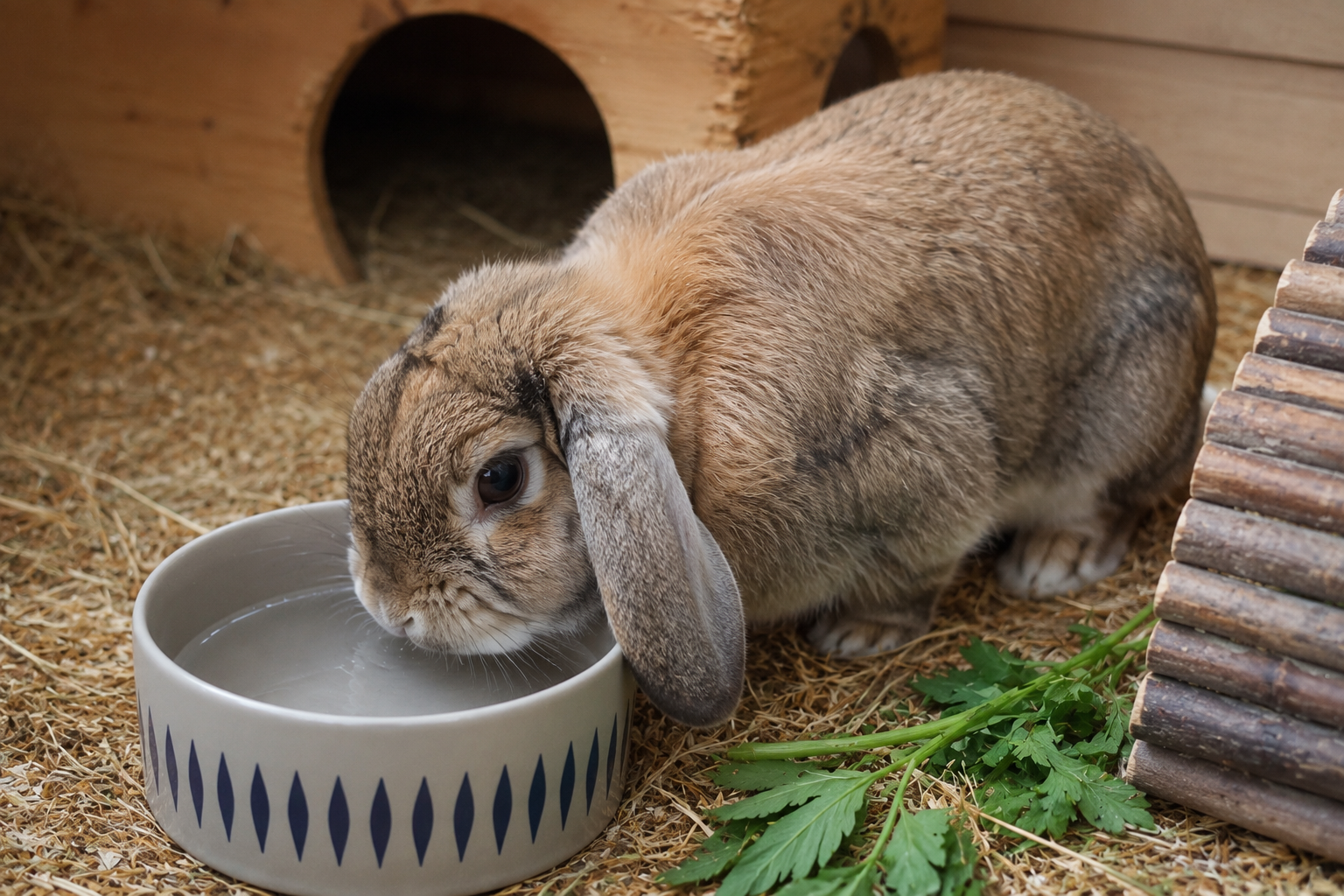
always provide clean, fresh water;
offer water-rich vegetables such as cucumber or celery alongside the usual diet;
place a frozen bottle of water wrapped in a towel near the living area so your rabbit can move closer to it if desired;
air out the home early in the morning or in the evening when temperatures are cooler.
In Conclusion
Rabbits are much more sensitive to heat than many owners realise.
During summer, a few precautions are often enough to prevent serious problems. However, if your companion shows signs of heatstroke, do not wait: rapid veterinary care can make all the difference.