
Grass Awns: Why Are They Dangerous for Dogs?
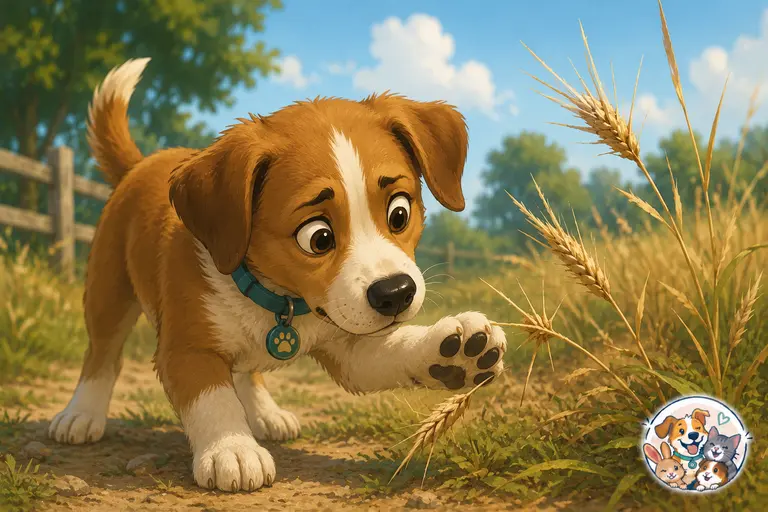
Grass Awns: Why Are They Dangerous for Dogs?
With the arrival of summer, walks through fields, paths, and tall grass are a real pleasure for dogs. However, this season also brings back a small plant fragment that can cause serious problems: the grass awn.
Every year, many dogs are taken to the veterinarian because of these small, dry seed heads that easily attach themselves to their coat. Knowing the risks makes it easier to react quickly if necessary.
What Is a Grass Awn?
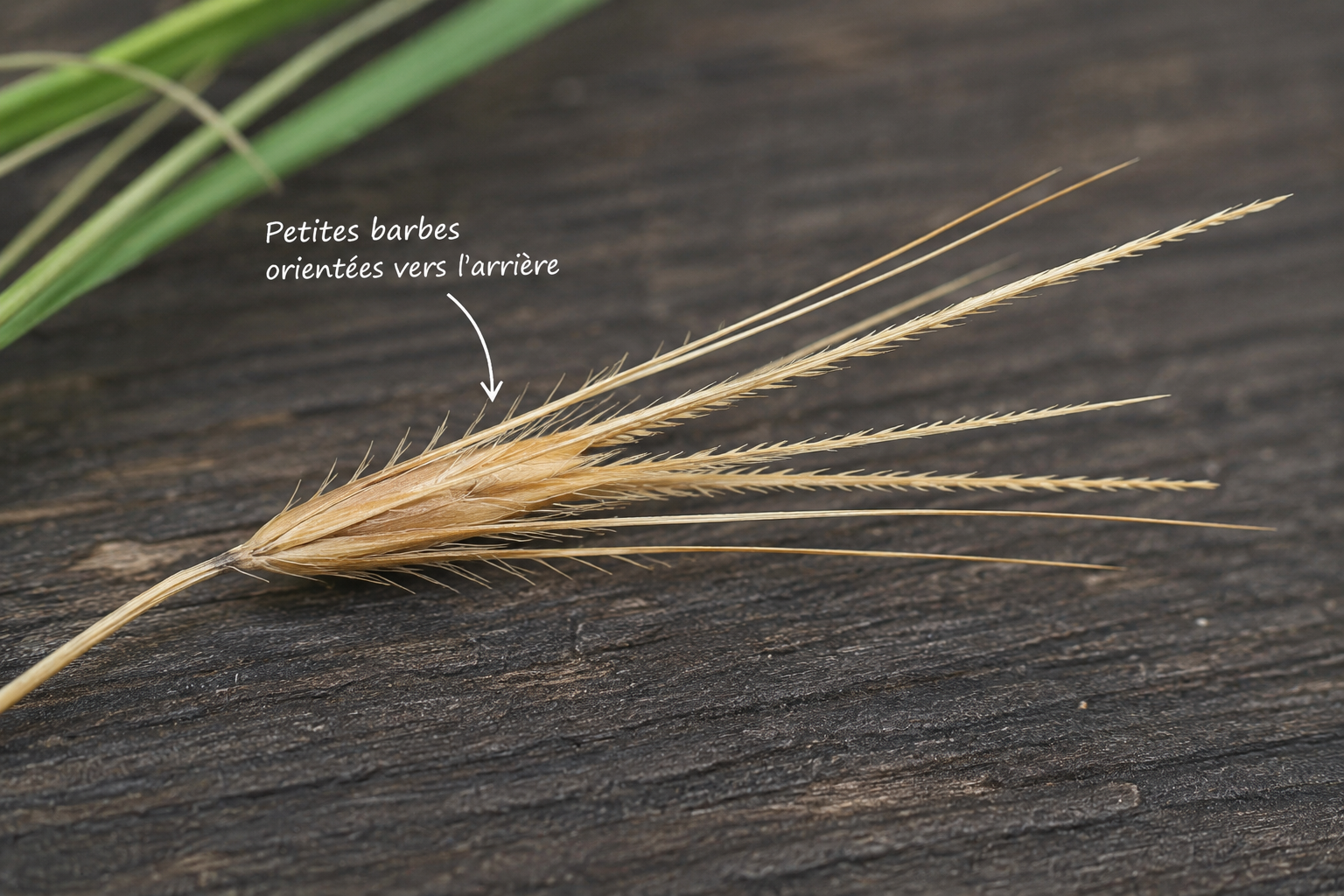
A grass awn is the dry part of certain grasses. When it reaches maturity, it detaches easily from the plant and can become caught in an animals fur.
Its pointed shape and tiny backward-facing barbs allow it to move in only one direction. Once attached, it can gradually penetrate the skin or enter various body openings.
Why Are Grass Awns So Dangerous?
Unlike a simple twig, a grass awn will usually not work its way back out on its own.
It often continues to migrate through the tissues, which can cause pain, infection, or abscesses. The longer it remains in place, the more difficult it can become to remove.
In some cases, removal under anaesthesia may be necessary.
Where Can Grass Awns Become Lodged?
The areas most commonly affected include:
the ears;
the nostrils;
the eyes;
between the toes;
under the paw pads;
more rarely, beneath the skin or around the genital area.
After a walk, a simple check of your dogs coat can sometimes reveal a grass awn before it causes any damage.
Warning Signs to Watch For
Symptoms vary depending on where the grass awn is located.
You may notice:
a dog repeatedly shaking its head;
a painful or tilted ear;
sudden and repeated sneezing;
a nosebleed;
an eye that remains closed or waters excessively;
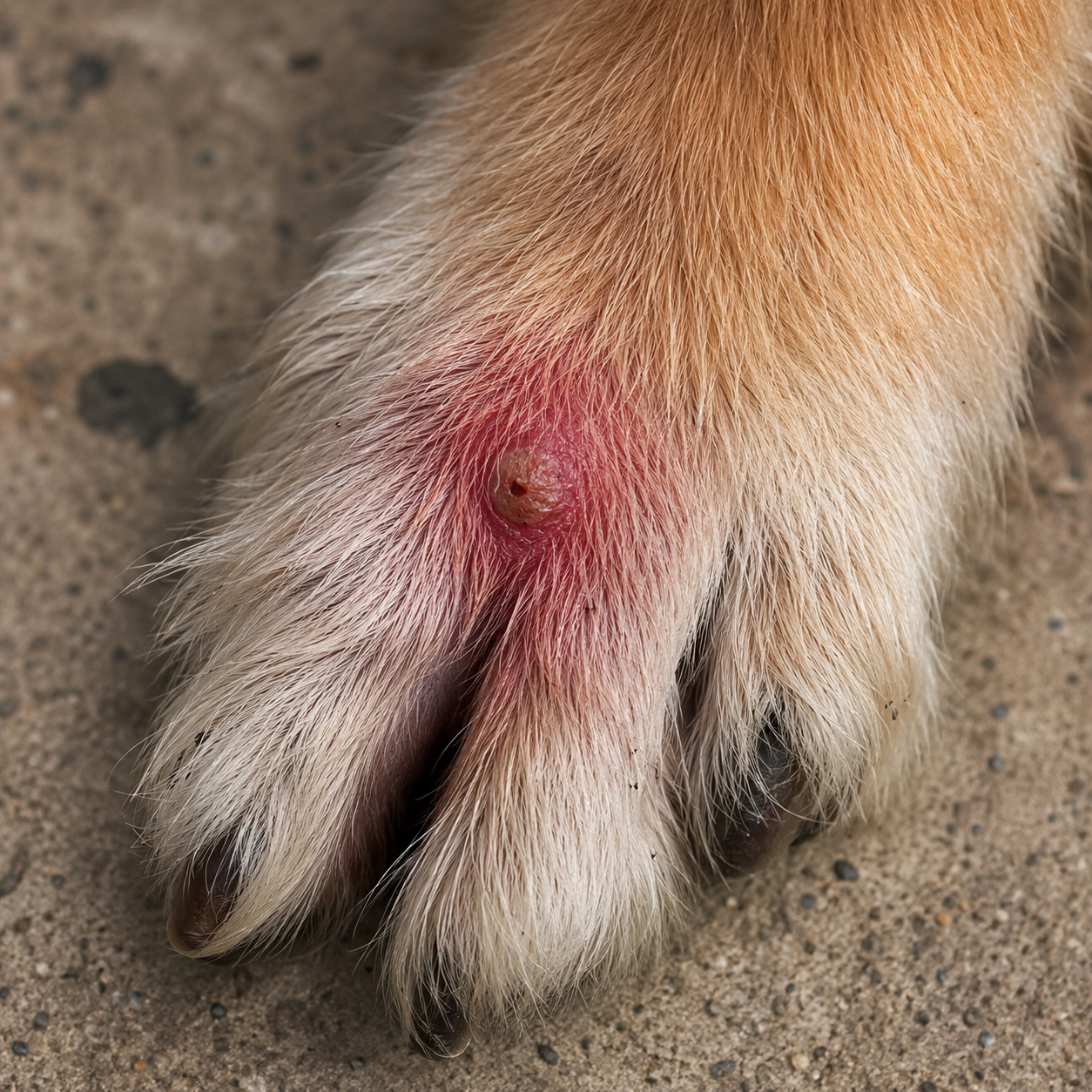
excessive licking of a paw;
limping that appears after a walk.
If one of these signs suddenly appears after a walk through tall grass, a grass awn is one possible cause that should not be overlooked.
What Should You Do If You Suspect a Grass Awn?
If the grass awn is simply caught in the fur, you can remove it carefully.
However, if it has already entered an ear, eye, nostril, or penetrated beneath the skin, you should not try to remove it yourself.
Incorrect handling could push it even deeper.
In this situation, it is best to consult your veterinarian quickly.
How Can You Reduce the Risk?
A few simple precautions can help reduce the risk:
avoid tall, dry grass whenever possible;
inspect your dog after every walk;
brush long-haired dogs regularly;
trim the hair between the paw pads if necessary;
remove visible grass awns before they have a chance to penetrate.
These few minutes of checking can sometimes prevent an unnecessary veterinary visit.
In Conclusion
Grass awns may be small, but they can cause significant complications if they are not detected quickly.
By checking your dog carefully after summer walks and consulting your veterinarian promptly if you have any doubts, you can help protect your companion and avoid potentially significant pain.