NAC Pets: Why They Are Abandoned and How to Adopt Responsibly
NAC Pets: Why They Are Abandoned and How to Adopt Responsibly
When people think about abandoned animals, dogs and cats usually come to mind first. However, many other companion animals can also end up in shelters or rescue organisations.
In France, these animals are often grouped under the term NAC, meaning Nouveaux Animaux de Compagnie, or companion animals other than dogs and cats.
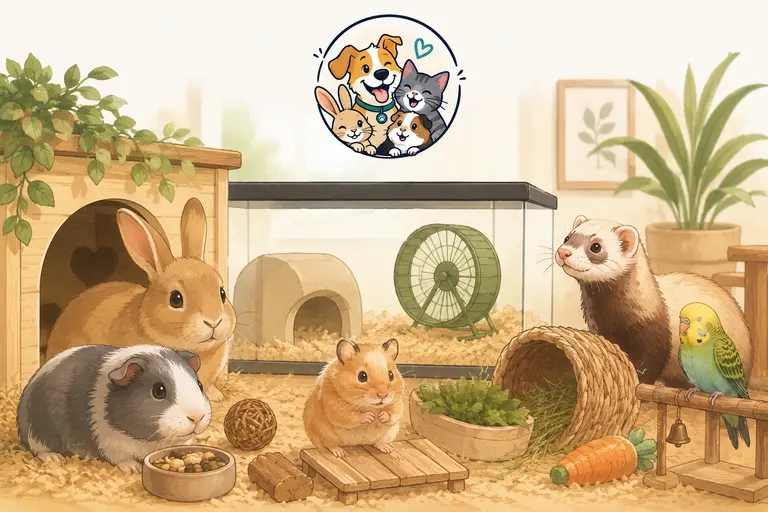
Rabbits, guinea pigs, ferrets, hamsters, domestic rats, birds, and certain reptiles can all be affected by abandonment, sometimes because their needs were not fully understood before adoption.
What Does NAC Mean?
The French term NAC covers a wide variety of companion animals other than dogs and cats.
Common examples include:
rabbits;
guinea pigs;
hamsters;
gerbils;
domestic rats;
ferrets;
budgies and other companion birds;
certain reptiles and tortoises where keeping them is legally permitted.
Although many of these animals are small, they still require daily care, appropriate housing, and a proper understanding of their species-specific needs.
Why Are These Animals Abandoned?
Rescue organisations regularly receive rabbits, rodents, ferrets, birds, and other small companion animals whose owners can no longer care for them.
Common reasons include:
an impulsive adoption;
underestimating the animals needs;
not having enough time;
underestimating veterinary and everyday costs;
changes in family, housing, or work circumstances;
discovering that the species requires more space, care, or experience than expected.
A rabbit, ferret, parrot, or other companion animal may live for many years depending on the species, so adoption should always be considered a long-term commitment.
Small Animal, Big Responsibility
It is sometimes assumed that a hamster, rabbit, or guinea pig is automatically easier to care for than a dog or cat.
In reality, every species has specific requirements.
These may include:
an appropriate diet;
sufficient living space;
exercise, enrichment, and opportunities to express natural behaviour;
veterinary care when needed;
social interaction appropriate to the species;
suitable temperature, lighting, or environmental conditions for certain animals.
Housing or care that does not meet these needs can have a serious effect on health and welfare.
How Can You Adopt Responsibly?
Before adopting any animal, it is worth asking yourself a few important questions:
Do I have enough time to care for this animal every day?
Can I afford food, equipment, veterinary care, and unexpected expenses?
Do I have enough suitable space?
Is everyone in the household prepared for the commitment?
Have I researched the species lifespan and specific needs?
Can I find a veterinarian experienced with this type of animal if necessary?
Taking time to answer these questions before adoption can help prevent an impulsive decision.
Choose the Animal, Not Just the Appearance
A cute appearance should never be the only reason for choosing a companion animal.
Some species are nocturnal. Others require companionship from members of their own species. Some need large enclosures, specialised diets, controlled temperatures, or experienced handling.
Learning about these requirements beforehand is essential for both the animal and the future owner.
Adoption from a Rescue Organisation
Depending on the species and your area, shelters and specialist rescue organisations may have rabbits, guinea pigs, ferrets, rodents, birds, or other animals available for adoption.
A responsible organisation can often provide useful information about the animals history, personality, health, and care requirements.
Whatever the source of the animal, make sure the adoption or acquisition complies with the laws that apply to the species where you live.
Awareness Helps Protect Animals
An animal is neither an object nor an impulsive gift.
Whether it is a dog, cat, rabbit, bird, reptile, or another companion animal, each species deserves living conditions suited to its needs and appropriate care throughout its life.
Helping future owners understand those needs before adoption is one of the most effective ways to reduce unsuitable placements and prevent avoidable abandonment.
In Conclusion
NAC pets attract many families because of their diversity, personalities, and unique characteristics.
But their small size does not mean that they require little commitment.
Before welcoming a new companion into your home, take the time to research the species, estimate the long-term costs, prepare the right environment, and make sure the decision fits your lifestyle.
A well-prepared adoption gives both the animal and its new family the best possible start together.