Protecting Dogs and Cats: New European Rules That Could Reshape the Animal Sector
Protecting Dogs and Cats: New European Rules That Could Reshape the Animal Sector
Animal welfare has become an increasingly important issue at European level.
The European Union has been working on new rules aimed at improving the welfare and traceability of dogs and cats, while also addressing irresponsible breeding, illegal trade, and online sales.
These developments are relevant not only to breeders and other professionals, but also to people who are considering buying or adopting a companion animal.
Why Are New European Rules Being Developed?
Dogs and cats are bred, sold, adopted, and transported across European borders every year.
Differences between national rules can make enforcement more difficult and may create opportunities for poor breeding practices, illegal trade, misleading sales, or inadequate traceability.
The overall objective of the European approach is to establish stronger and more consistent standards while making it easier to identify where animals come from and under what conditions they were bred or sold.
What Areas Could Change?
The European framework under discussion and adoption focuses on several important areas.
These include:
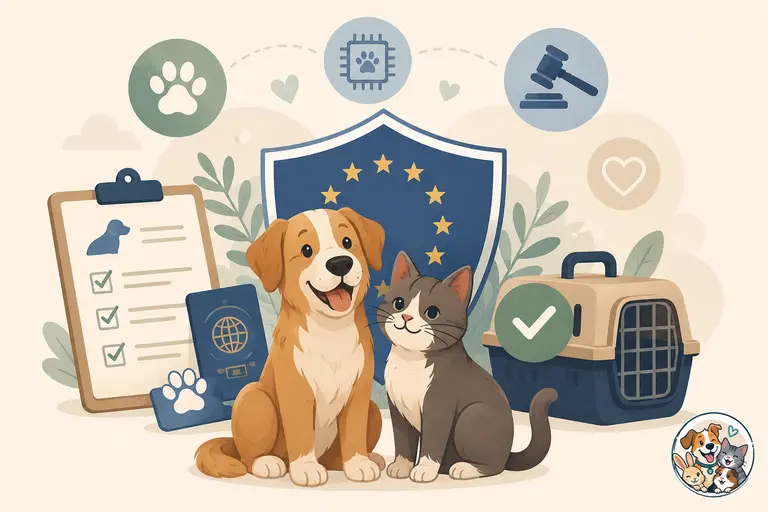
stronger identification and traceability requirements for dogs and cats;
minimum welfare standards for breeding establishments and other operators;
greater oversight of sales and offers made online;
measures designed to reduce illegal trade and problematic imports;
requirements relating to housing, care, breeding practices, and animal welfare;
better information for people buying or adopting an animal.
The precise obligations, implementation dates, exemptions, and enforcement mechanisms depend on the final legal texts and how they are applied by Member States.
Why Traceability Matters
Reliable identification and registration can play an important role in animal welfare and responsible ownership.
Better traceability can help authorities and professionals investigate illegal trade, confirm an animals origin, and improve the information available when dogs or cats are transferred between people or countries.
For future owners, greater transparency can also make it easier to ask the right questions before agreeing to a purchase or adoption.
What Could This Mean for Animal Professionals?
Professionals who already work with appropriate welfare standards, transparent practices, and accurate records may find that stronger common rules make responsible operators easier to distinguish from less reliable ones.
The most direct impact is likely to concern activities such as breeding, selling, transporting, importing, and certain forms of animal placement.
Other animal professionals, including trainers, behaviour professionals, pet sitters, boarding facilities, groomers, and veterinarians, may be affected more indirectly through changes in owner expectations, documentation, traceability, and welfare awareness.
What Should Owners Pay Attention To?
Whether buying or adopting a dog or cat, owners should continue to carry out basic checks rather than relying only on an advertisement or online profile.
Useful points to verify include:
the identity and legitimacy of the seller, breeder, organisation, or professional;
the identification status of the animal;
available health and origin information;
the conditions in which the animal has been raised or kept;
the documents required by the applicable national rules;
whether the offer appears transparent and consistent.
Be particularly cautious when an animal is offered with little information, pressure for rapid payment, unclear origin, or arrangements that prevent you from properly checking the seller and the animal.
Responsible Ownership Continues After Adoption
Animal welfare does not end when a dog or cat arrives in its new home.
Throughout its life, an animal may need support from different professionals, including veterinarians, trainers, behaviour professionals, pet sitters, boarding services, and groomers.
Choosing competent professionals and keeping identification and health information up to date are important parts of responsible ownership.
Prousty & Co helps animal owners discover professionals and services suited to the needs of their companions.
A European Framework That Will Continue to Evolve
European animal-welfare legislation develops through several stages, and proposed measures can change before all provisions become fully applicable.
Owners and professionals should therefore distinguish between political agreement, adopted legislation, implementation periods, and rules already in force in their own country.
For legal or professional obligations, the safest approach is always to consult the final official European and national texts applicable to the activity concerned.
In Summary
European initiatives concerning dogs and cats aim to strengthen welfare, traceability, transparency, and responsible trade.
For owners, this could mean better information and stronger safeguards. For responsible professionals, common standards may help highlight good practices and improve confidence in the sector.
The direction is clear: greater traceability and welfare protection are becoming increasingly important throughout the life and movement of companion animals.