
Travelling with Your Pet: 10 Mistakes to Avoid Before Hitting the Road
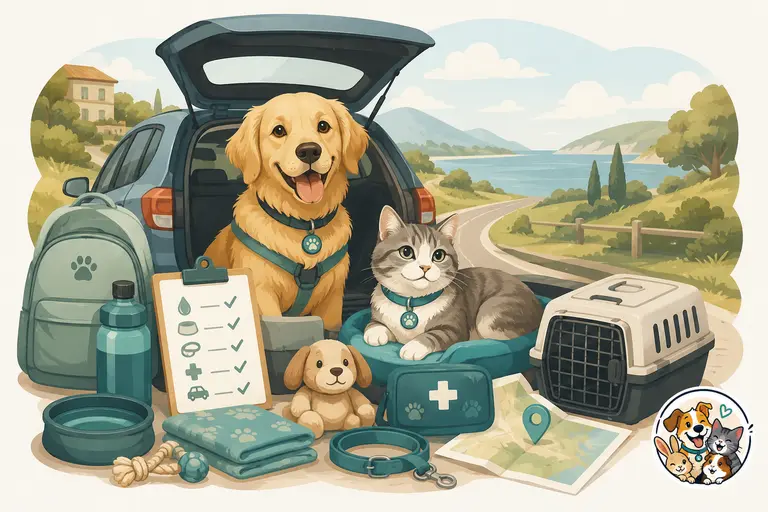
Holidays are a chance to get away from everyday life, but travelling with a pet also requires some preparation. Every year, many people take their dog, cat, or small companion animal on the road without always knowing the essential precautions to take.
To make the journey as comfortable and safe as possible, here are 10 common mistakes worth avoiding.
1. Leaving Without Preparing Your Pet
A long journey can be stressful, especially for an animal that rarely travels.
In the days or weeks before departure, gradually introduce your pet to the car, carrier, harness, or other travel equipment you plan to use.
Short positive practice sessions can help make the real journey less unfamiliar.
2. Forgetting Identification Details
Before travelling, make sure your pet is properly identified where required and that the contact details linked to the identification are up to date.
If your companion becomes lost, accurate identification information can greatly improve the chances of being reunited.
3. Not Planning Enough Breaks
Dogs generally need regular opportunities to drink, relieve themselves, and stretch during long car journeys.
Plan suitable breaks according to your dogs age, health, needs, and the length of the journey.
Cats are usually safer remaining securely inside their carrier during travel. Opening a carrier at a busy roadside stop can create a serious escape risk.
4. Leaving Your Pet Alone in the Car
Never rely on mild outside temperatures to keep a parked vehicle safe.
The temperature inside a car can rise dangerously quickly, even when the weather does not feel extremely hot.
Heatstroke is a medical emergency and can be fatal.
5. Feeding a Large Meal Immediately Before Departure
Some animals experience nausea or travel sickness during car journeys.
A large meal immediately before travelling may make this worse for some pets.
Feeding arrangements depend on the animal, journey length, age, and health, so speak with your veterinarian if your companion regularly suffers from travel sickness or has specific dietary needs.
6. Forgetting the Travel Kit
Prepare the essentials before leaving.
Depending on your pet, the journey, and your destination, useful items may include:
fresh water;
a water and food bowl;
the usual food;
a lead and harness where appropriate;
waste bags or litter supplies;
a familiar blanket or bed;
any prescribed medication;
identification and health documents where required.
Familiar items can also help some animals feel more secure in an unfamiliar place.
7. Allowing Your Pet to Move Freely Around the Vehicle
An unsecured animal can be injured during sudden braking or a collision and may also distract the driver.
Use a suitable restraint system for the species, size, and vehicle, such as:
a securely positioned carrier;
an appropriate vehicle restraint or travel harness;
a suitable separation system for certain vehicles and dogs.
Always follow the safety instructions provided with the equipment and the legal requirements that apply where you are travelling.
8. Not Checking the Rules at Your Destination
Beaches, hotels, campsites, parks, public transport systems, and protected natural areas may all have their own rules concerning animals.
Check the conditions before you leave, including any restrictions based on species, size, season, or local regulations.
9. Forgetting Health and Travel Documents
Requirements vary considerably depending on your destination.
International travel may require documents or health measures such as:
official identification;
a pet passport or health certificate;
valid rabies vaccination;
additional treatments, tests, or documentation depending on the destination.
Rules can change and some procedures must be completed well before departure, so always check the official requirements for the destination and any countries you will pass through.
10. Thinking Only About the Journey
Good preparation should also cover what happens after you arrive.
It can be useful to identify:
a nearby veterinary clinic;
safe walking or exercise areas;
places where fresh water will be available;
pet-friendly areas and local restrictions.
Keeping familiar routines where possible can also help your companion settle into the new environment.
A Good Journey Also Means Thinking About Your Pets Well-Being
Every animal reacts differently to transport.
Watch your companion for signs of stress, discomfort, overheating, nausea, or unusual behaviour, and adapt the journey to its individual needs.
Good preparation, appropriate restraint, regular care, and realistic expectations can make travelling more comfortable for everyone.
In Conclusion
Travelling with a pet requires some organisation, but careful preparation can make a major difference to comfort and safety.
By preparing the journey, checking the rules, carrying the right equipment, and respecting your companions needs, holidays can become an enjoyable experience for both you and your animal.